History
It does not end at 2022
52 more moments wait across the 8 chapters, and the last one is still open. This parish has not gone a single year without a priest since 1697, and it is still being written into.
Read the chronicle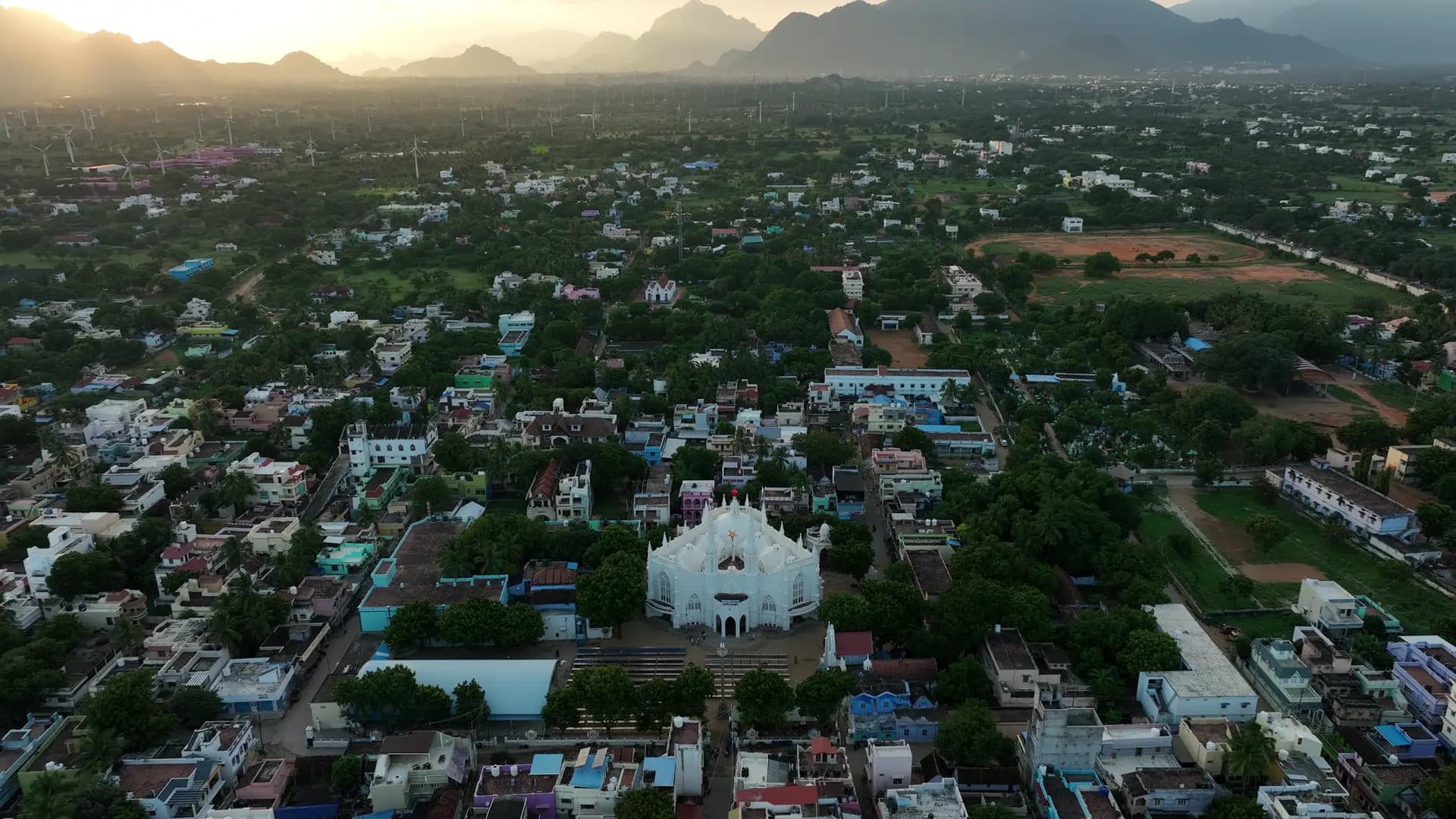
A sacred sanctuary of faith, prayer & community
Our Patroness
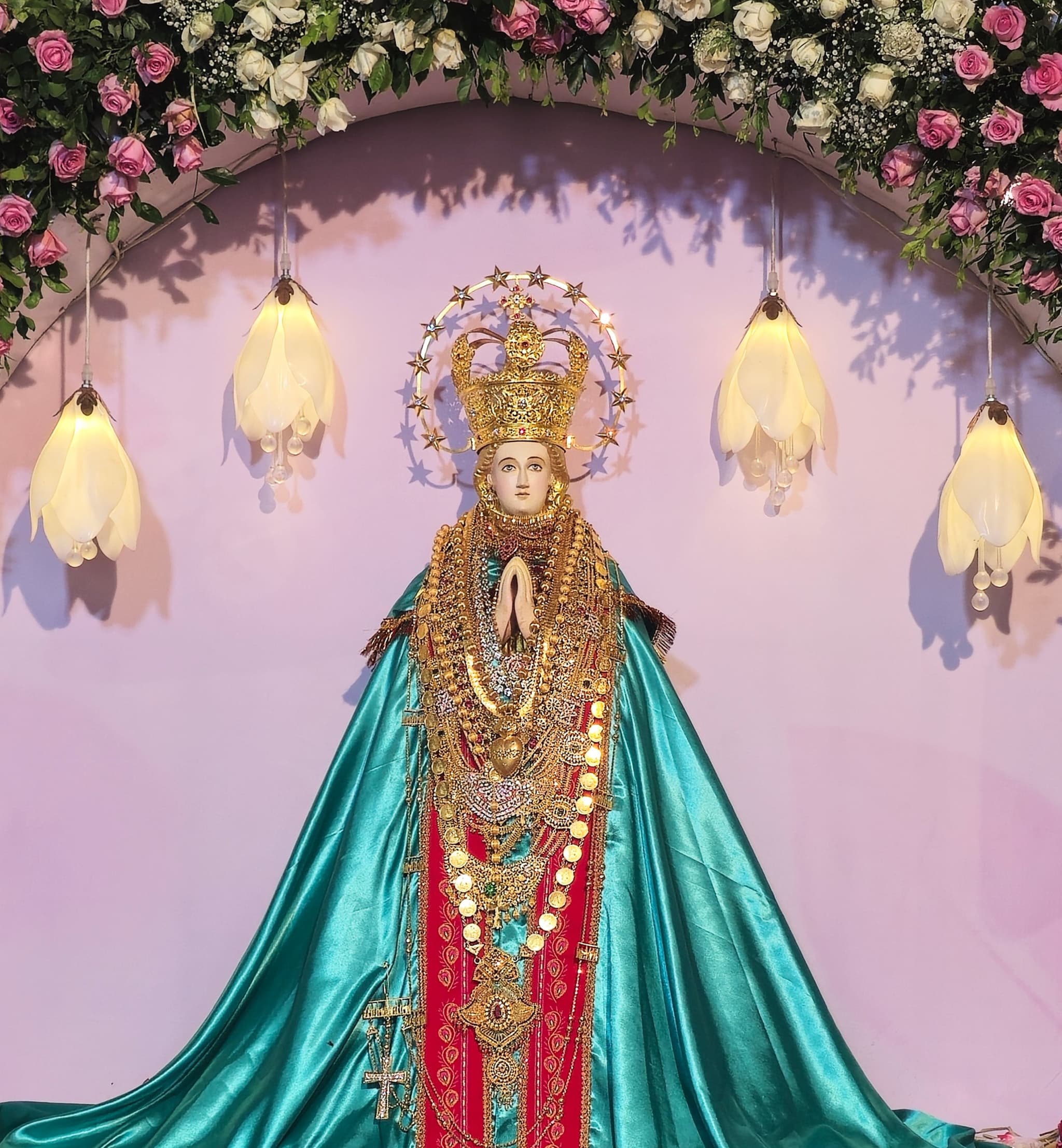
Paraloga Matha
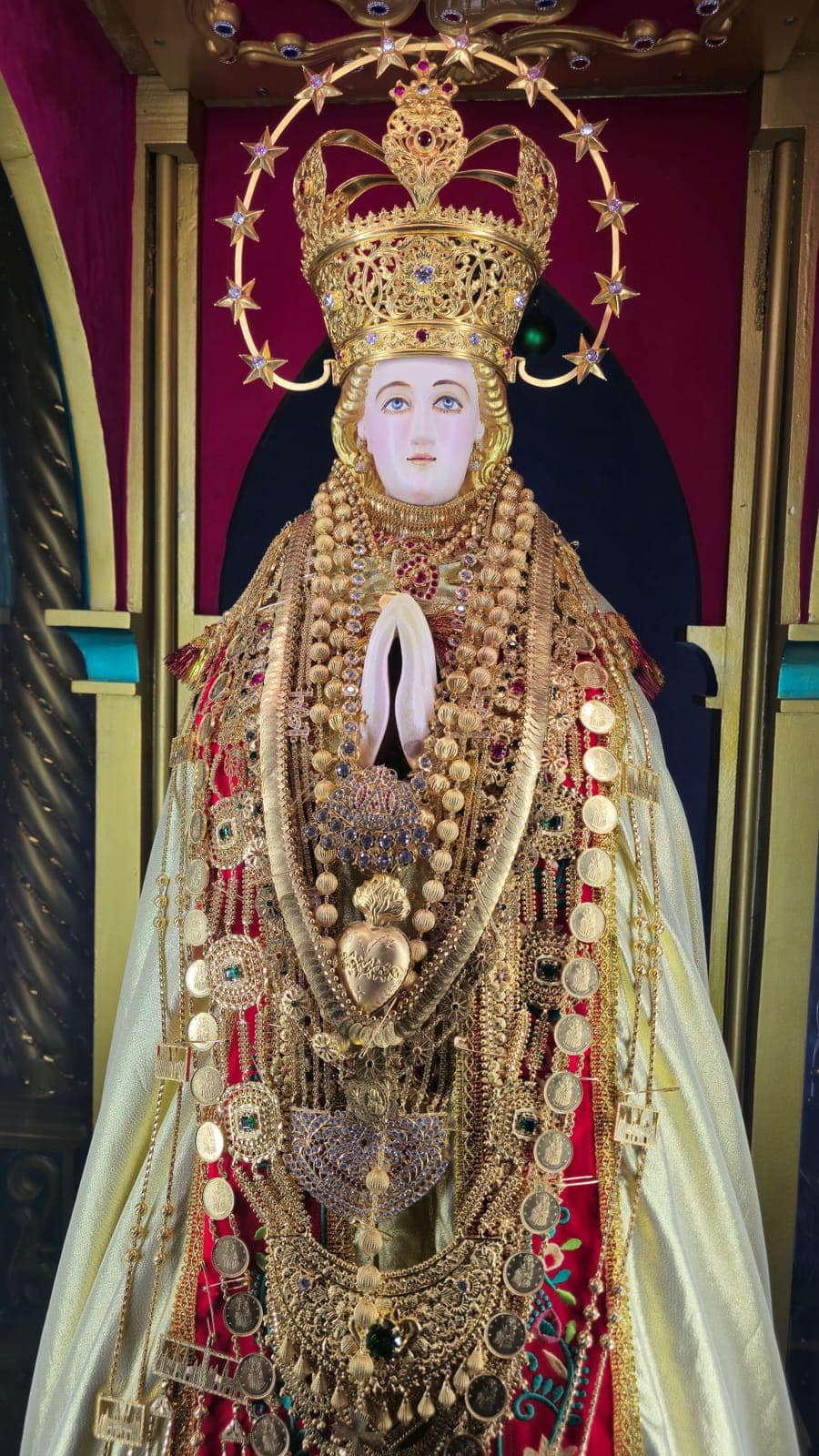
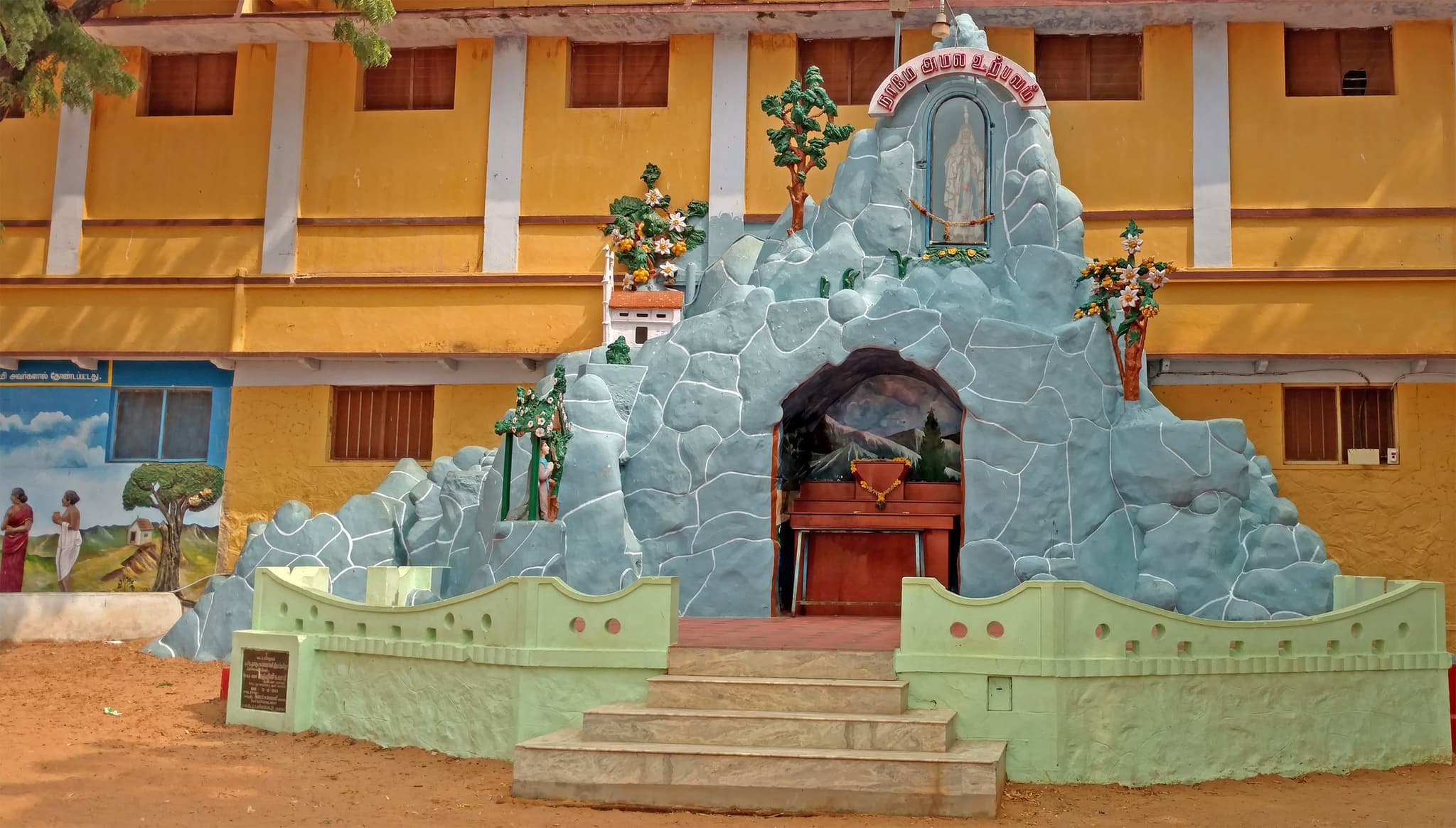
For centuries, the small village of Vadakankulam in the Tirunelveli district has been home to one of South India's most cherished Marian shrines. Our Lady of the Assumption, known to her devotees as Vadakankulam Matha, has watched over generations of the faithful, drawing pilgrims from every corner of Tamil Nadu and beyond.
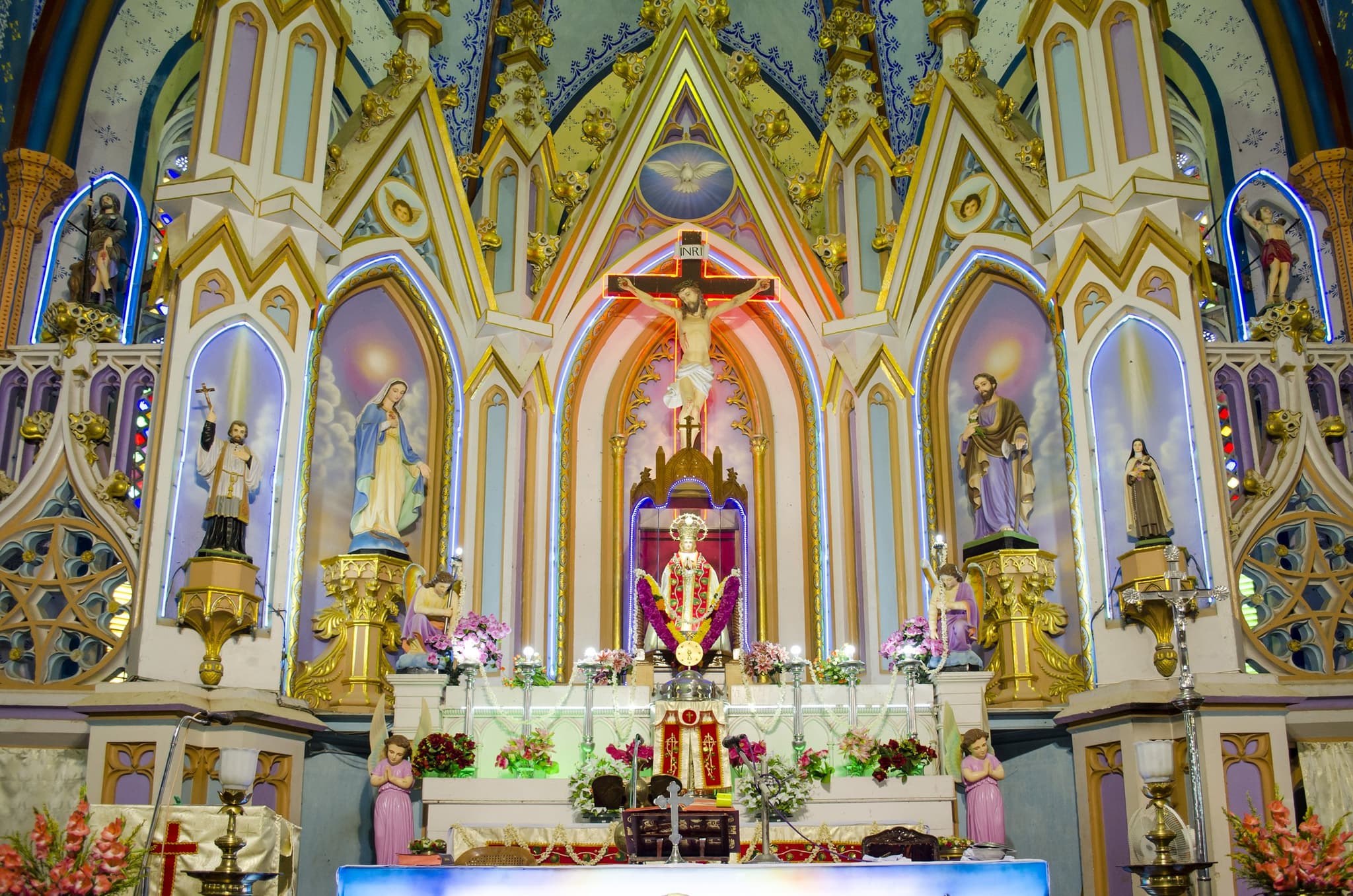
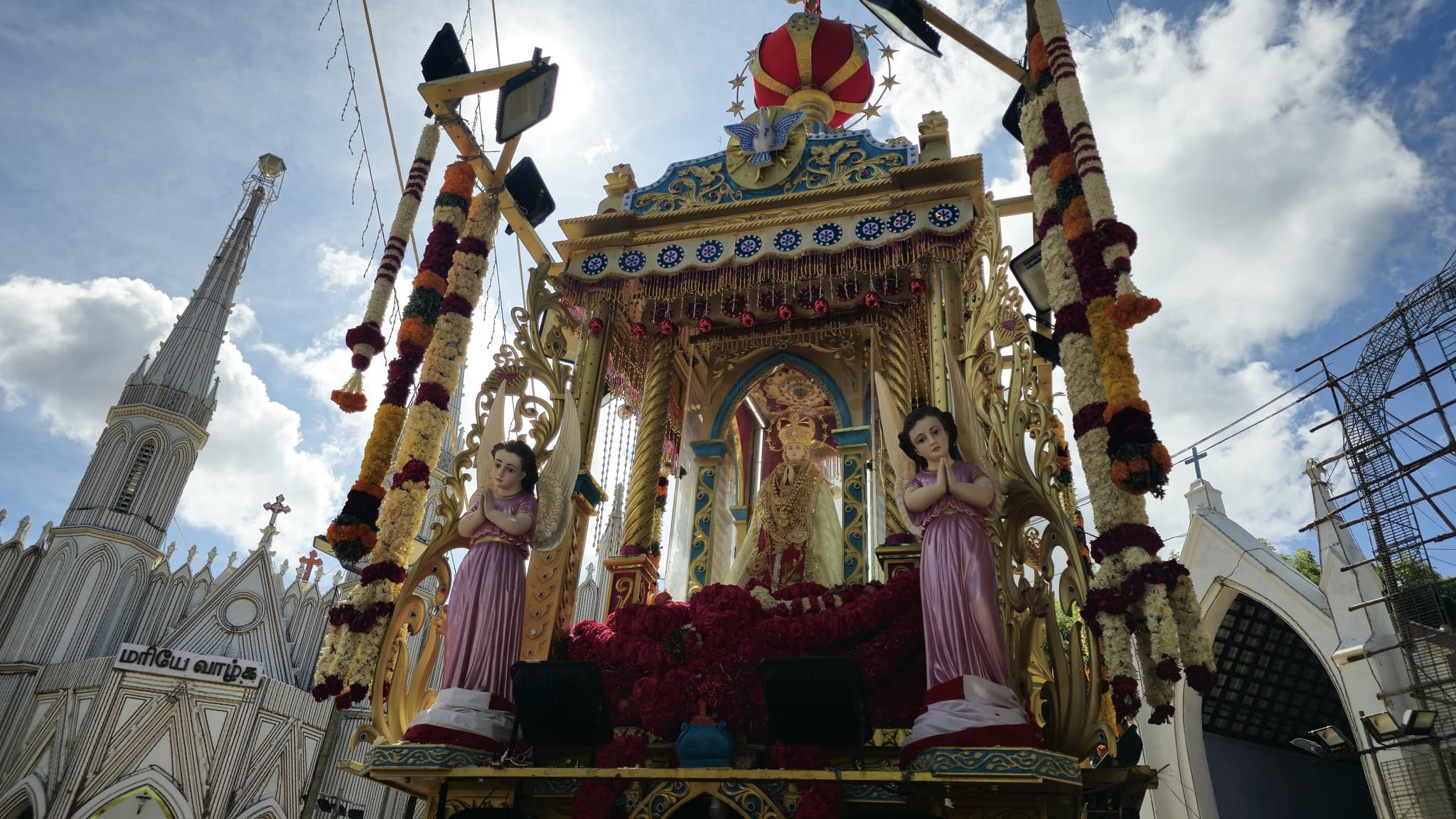
The image of Our Blessed Mother, draped in royal red and gold and crowned with stars, embodies the love and reverence of countless families who have placed their joys, sorrows, and silent prayers before her. Each year during her August feast, the village transforms into a sea of light and song, as thousands gather to honour the Mother who has never refused a sincere prayer.
“Pray for us, O Holy Mother of God.
Our Heritage
Three centuries of unwavering grace
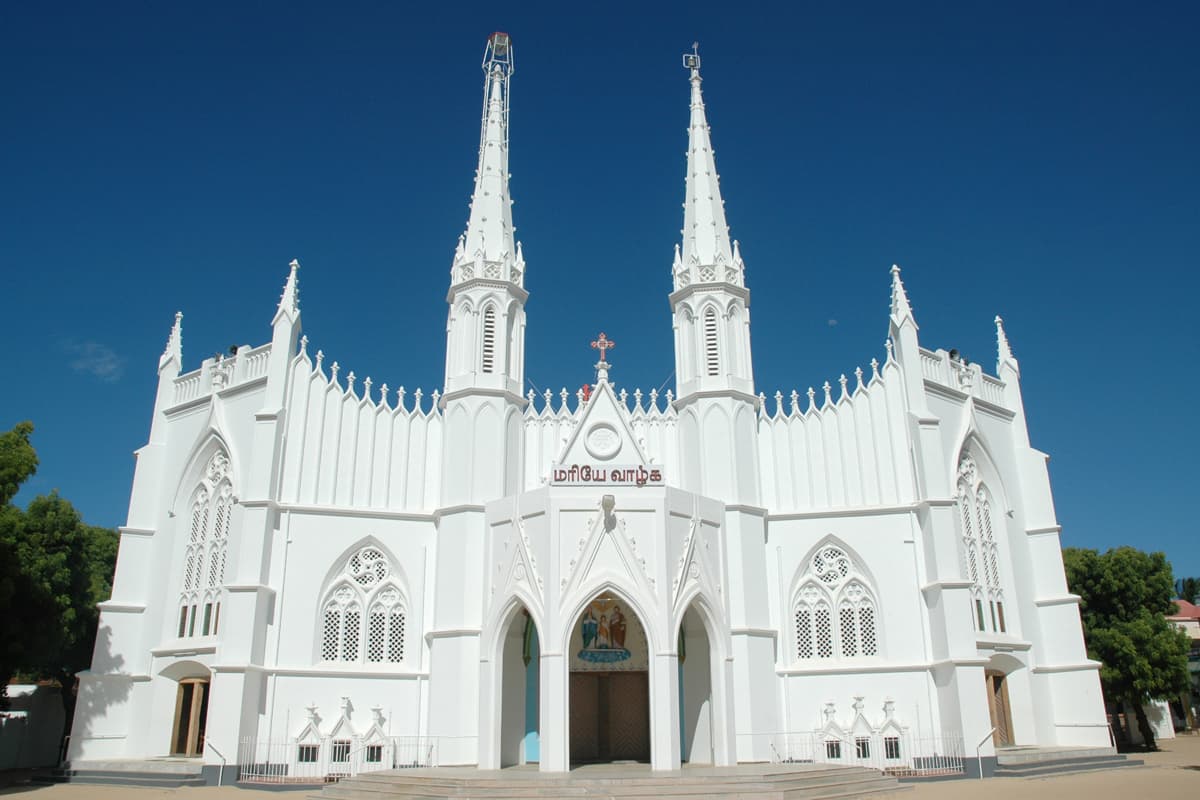
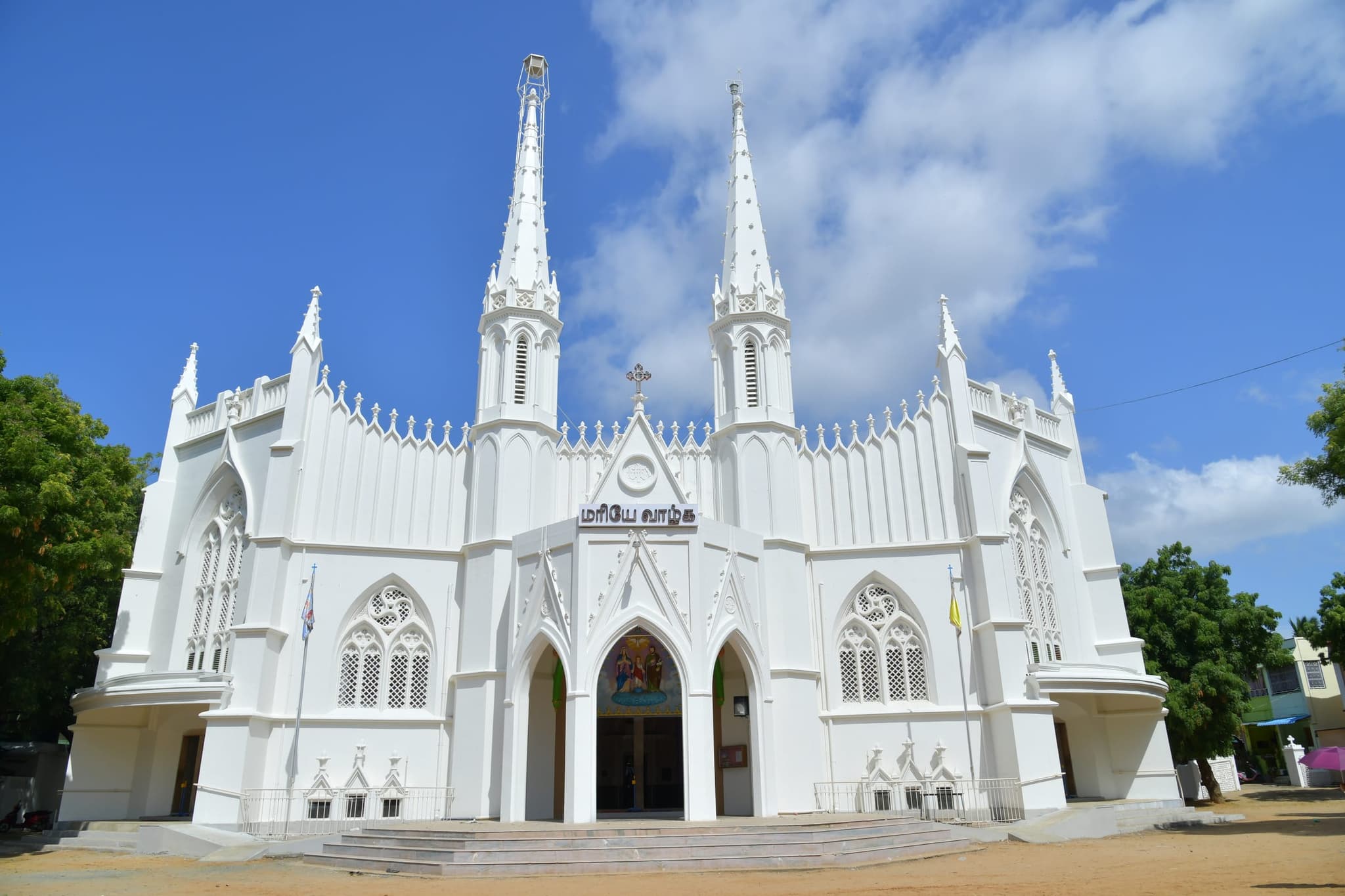
Vadakankulam Matha Church stands as a beacon of spirituality and community in the heart of Vadakankulam. Founded in 1685 by the Jesuit missionary St. John de Britto, this sacred place has been a home for the faithful, a shelter for the weary, and a testament to unwavering devotion for over three hundred years.
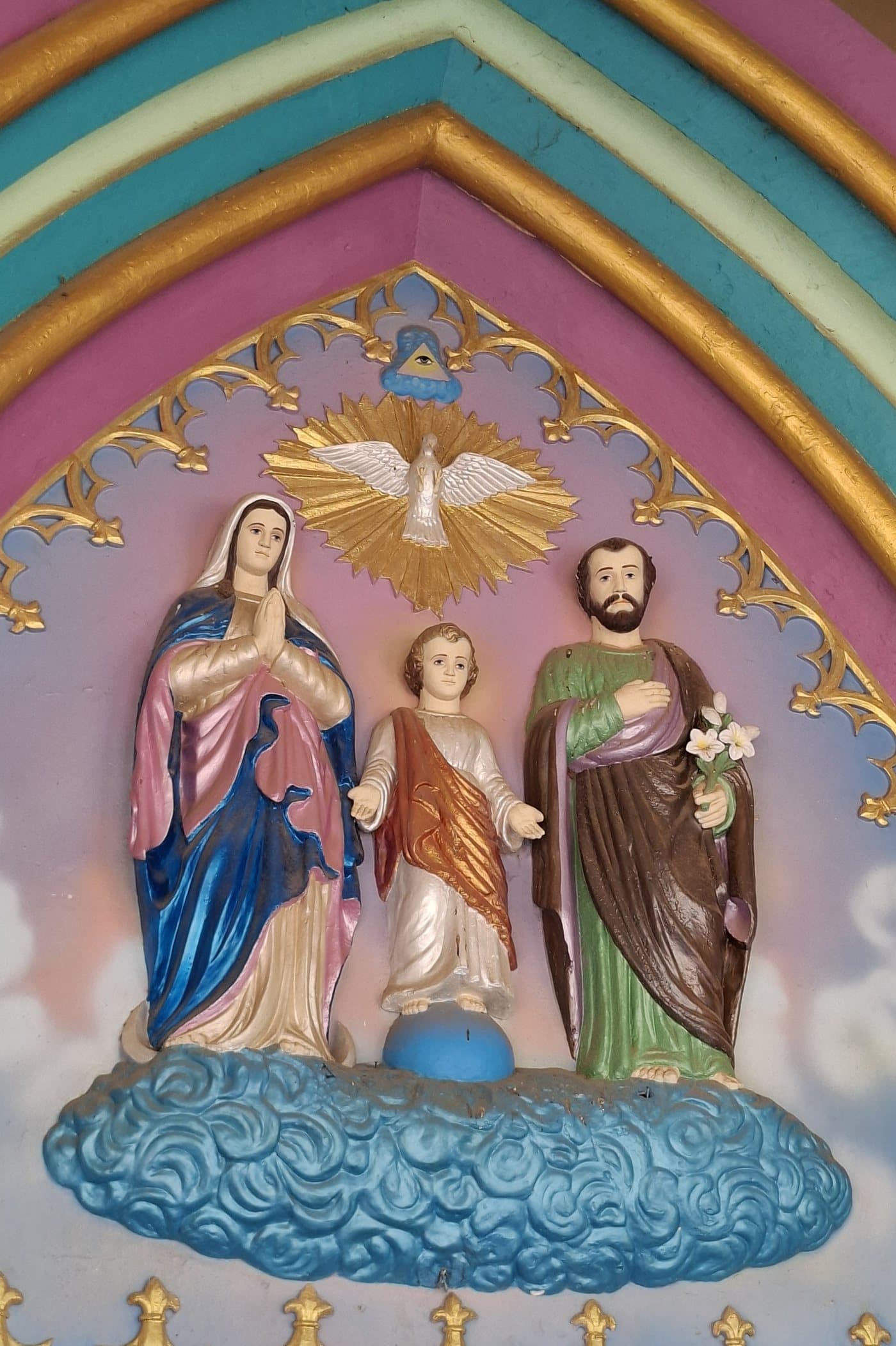
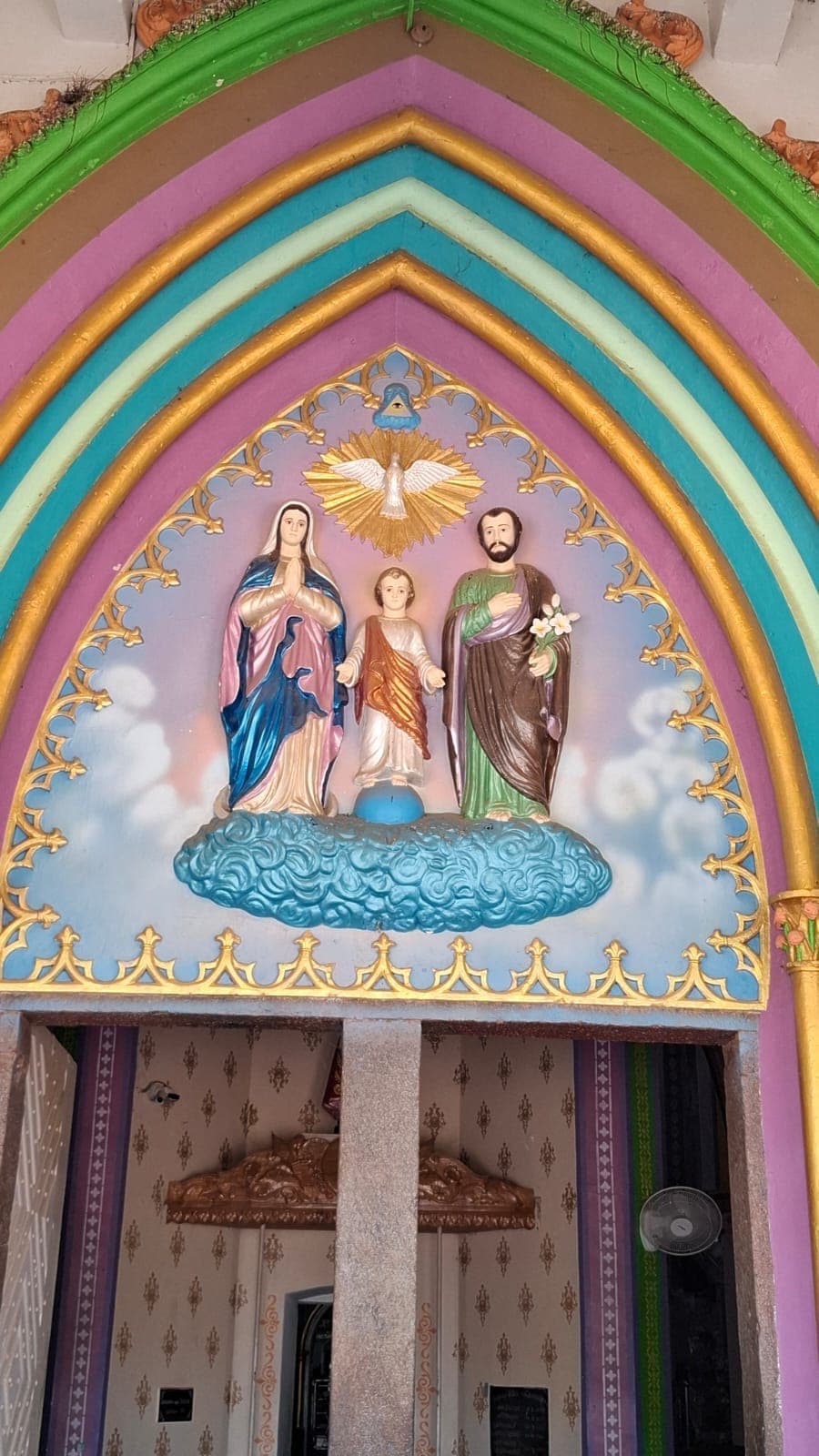
Dedicated to the Holy Family and lovingly known as Vadavai Matha, every corner of this holy ground echoes with prayers, hymns, and the warmth of a community bound together by love and faith. It is a heritage so deep that the first Bishop of Thoothukudi called it 'Little Rome.'
“A home for the faithful, a shelter for the weary, a sanctuary for every soul.
The Chronicle
59 moments, from a woman's cross in a forest clearing to a canonisation in Rome. Not one of them is claimed here without the book it came out of, and where the books disagree, this parish prints both.
Read the full history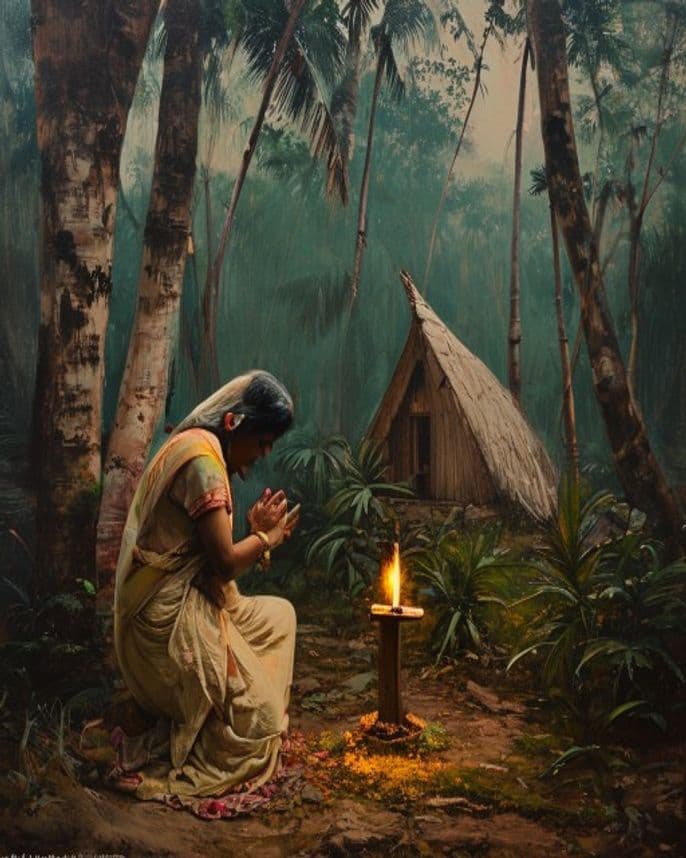
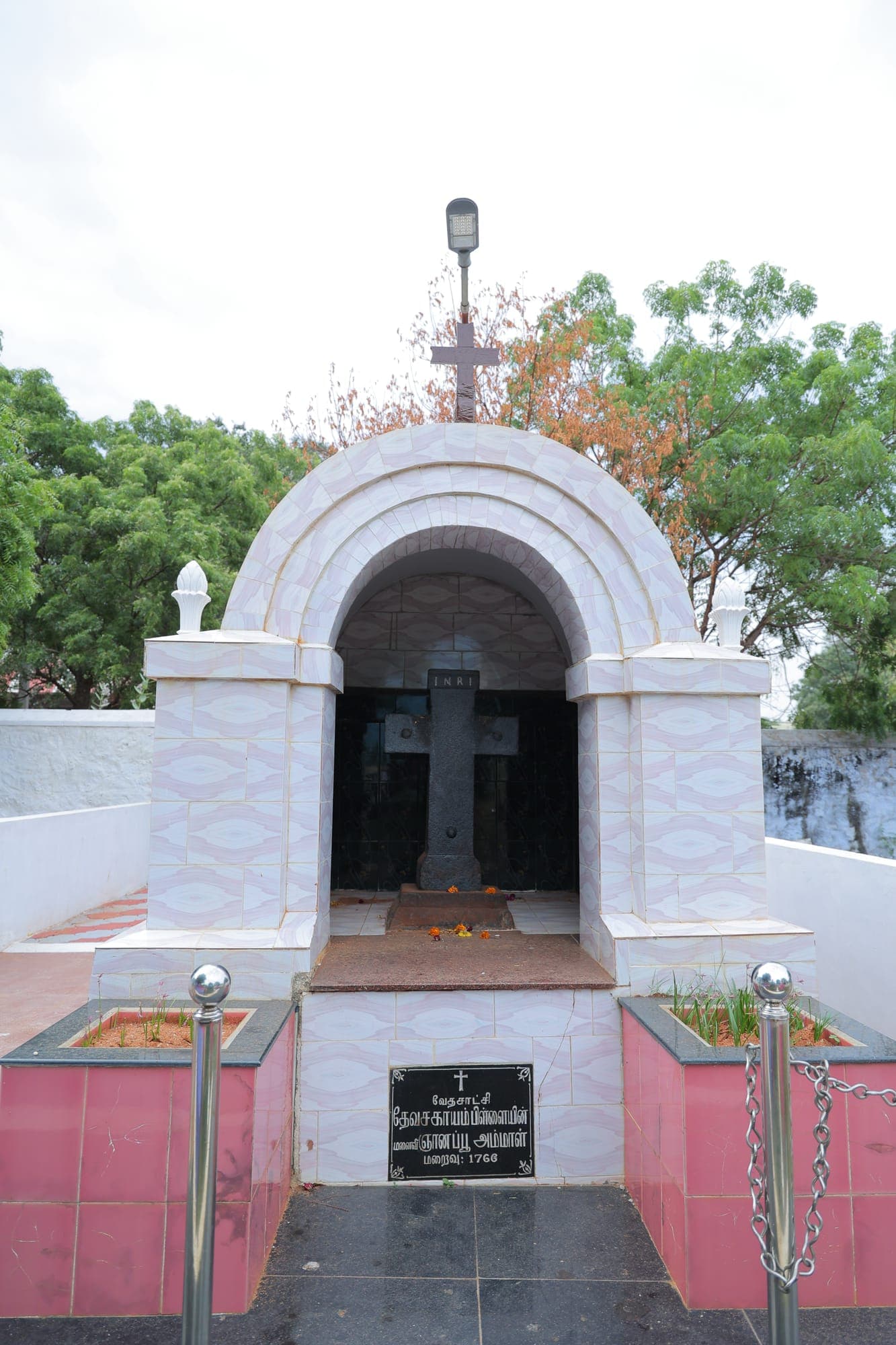
Santhaayi Ammaiyar stopped where there was nothing but bush, trees and a tank, built her house, and raised a cross in the open ground facing her door. Everything here grew around it.
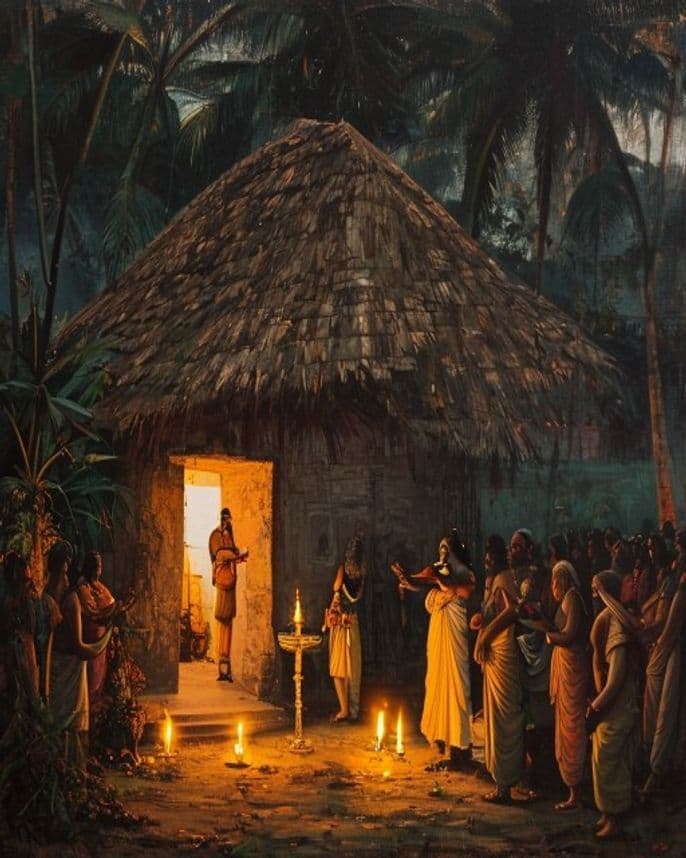
She was out gathering cotton when a priest rode past. She ran and asked him to bless her cross, and he stopped his horse and did. It was John de Britto. He had come this far south and no further.
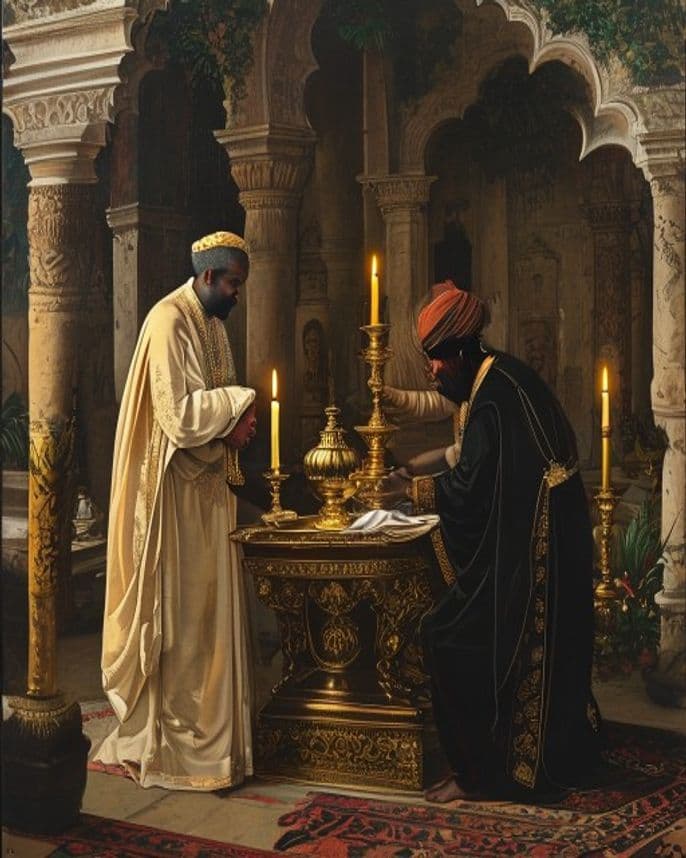
The priest kept postponing him: a convert of that rank would draw persecution. The king's officer answered: “I shall even give up my life to maintain the Truth.” He was baptised here on 14 May. He did.
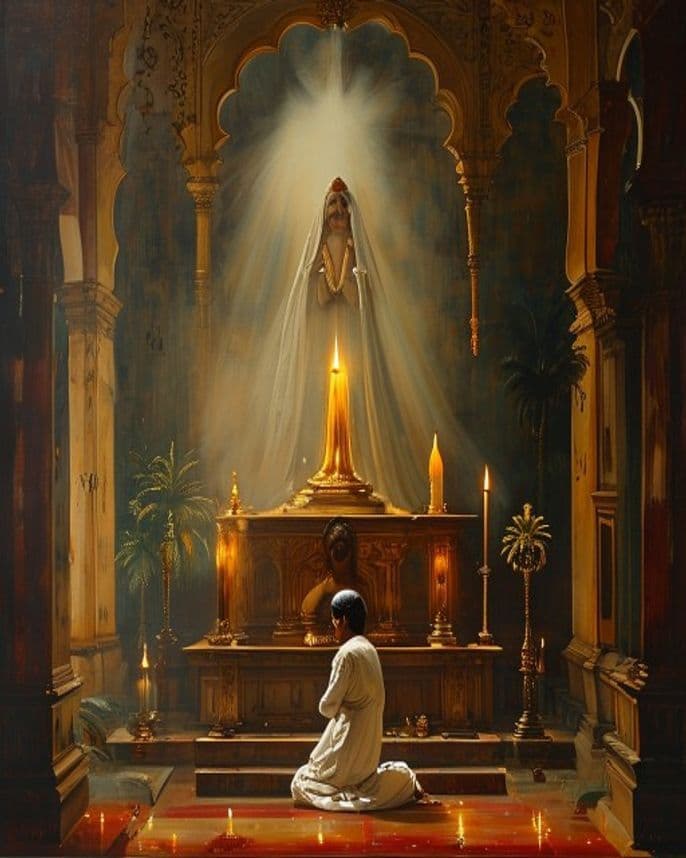
It rang on a Friday forenoon in Aippasi, and the village came in from the fields to find out why. What they said they saw, the parish has commemorated every October for the two hundred and twenty-three years since.
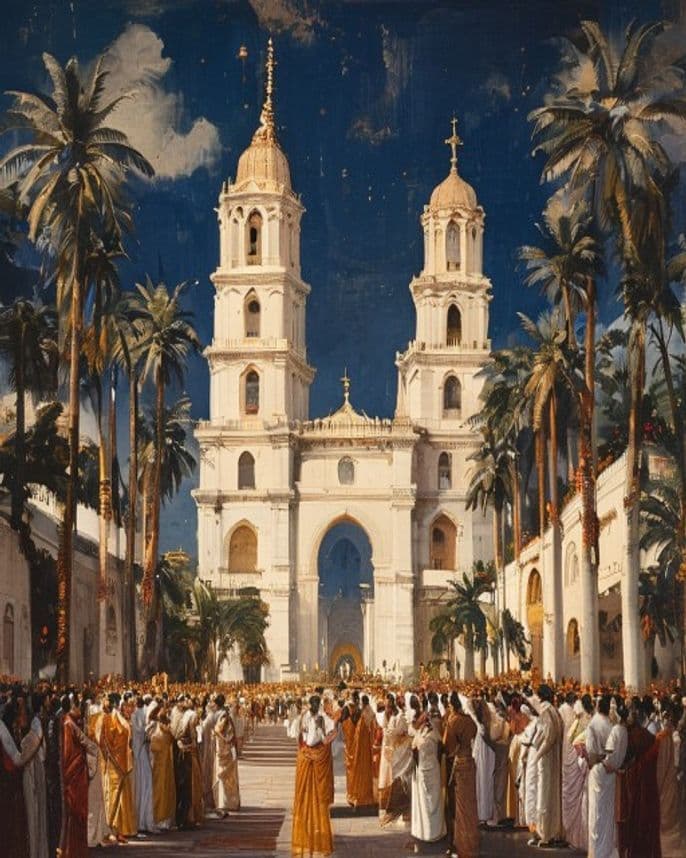
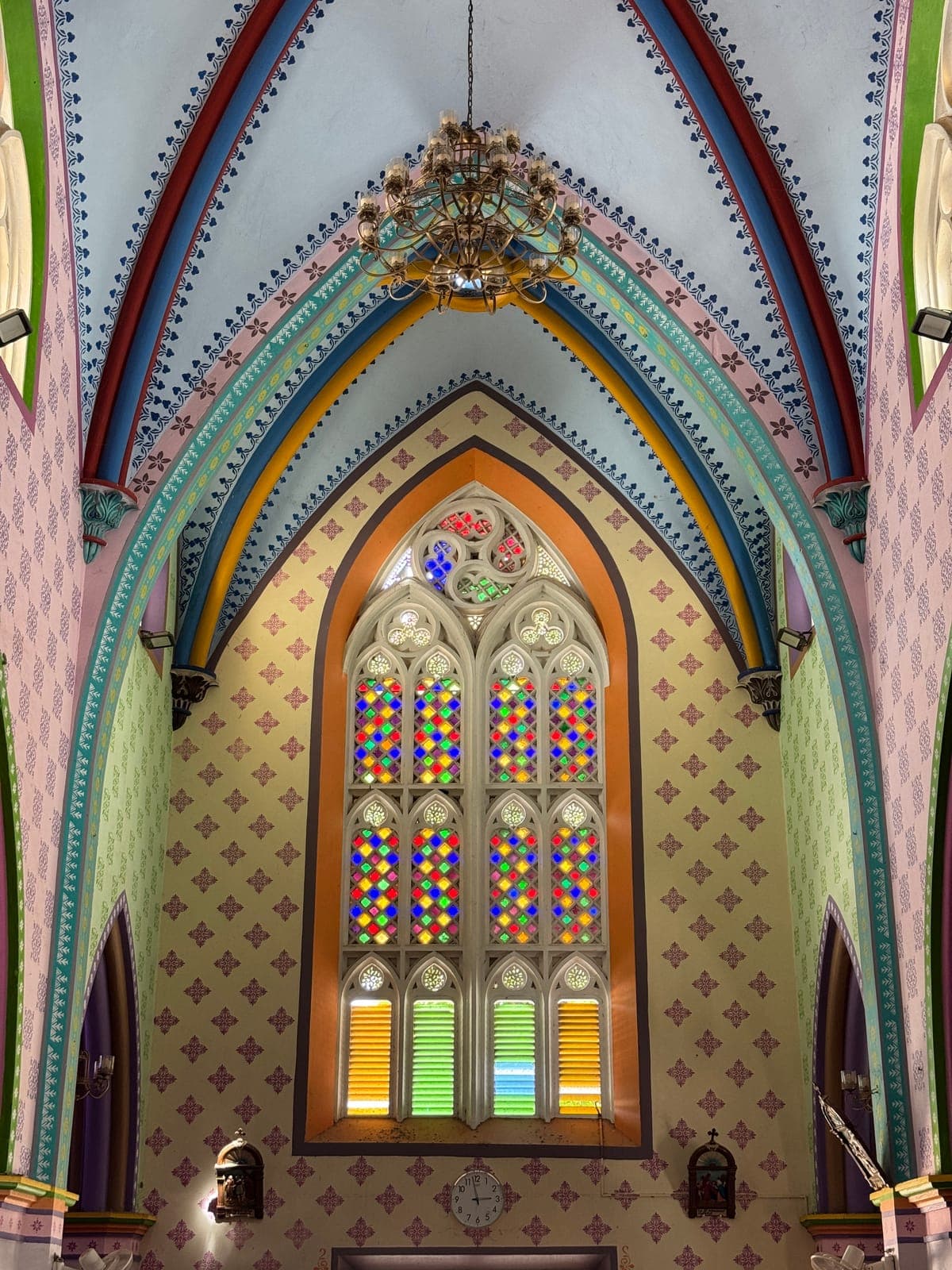
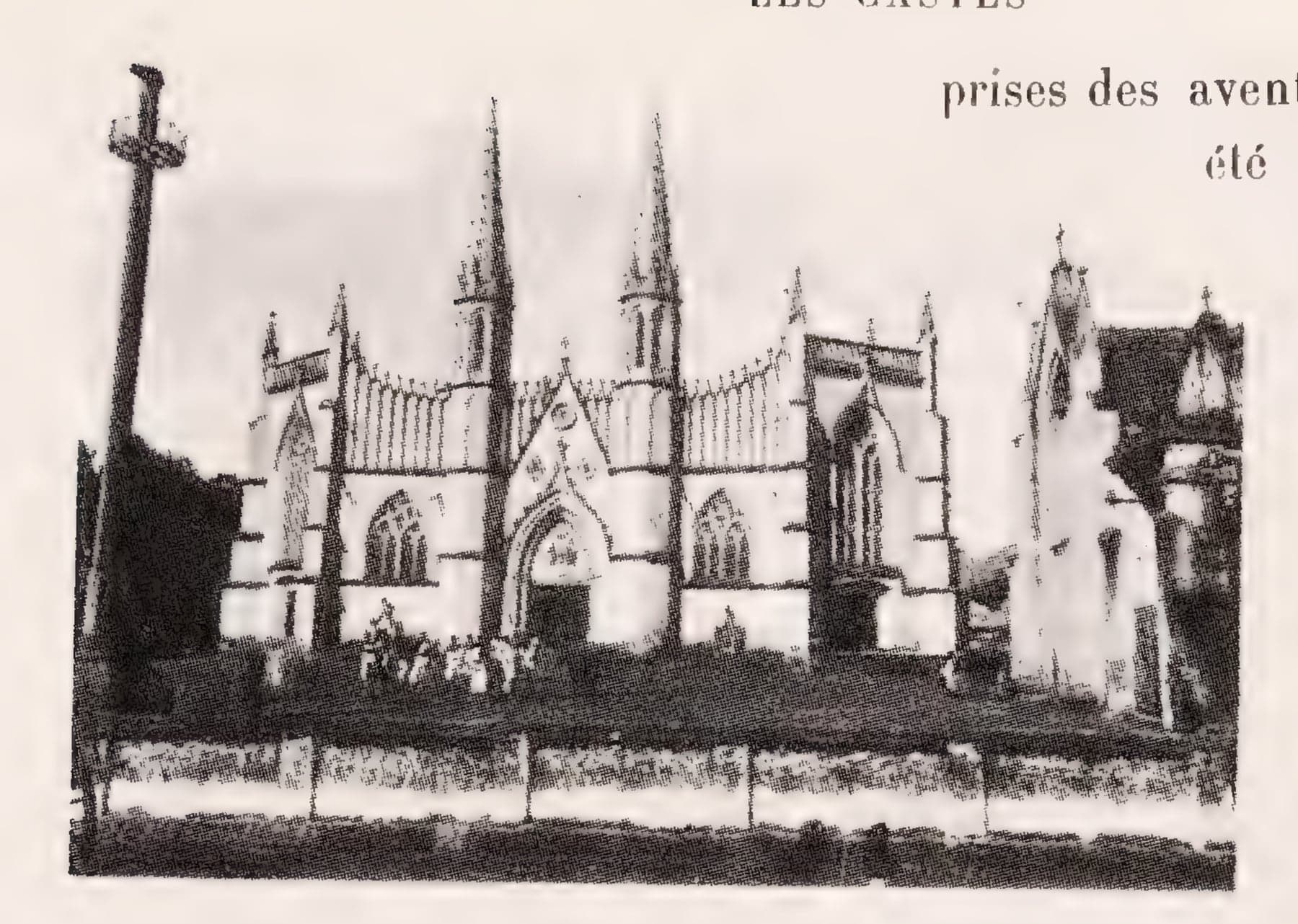
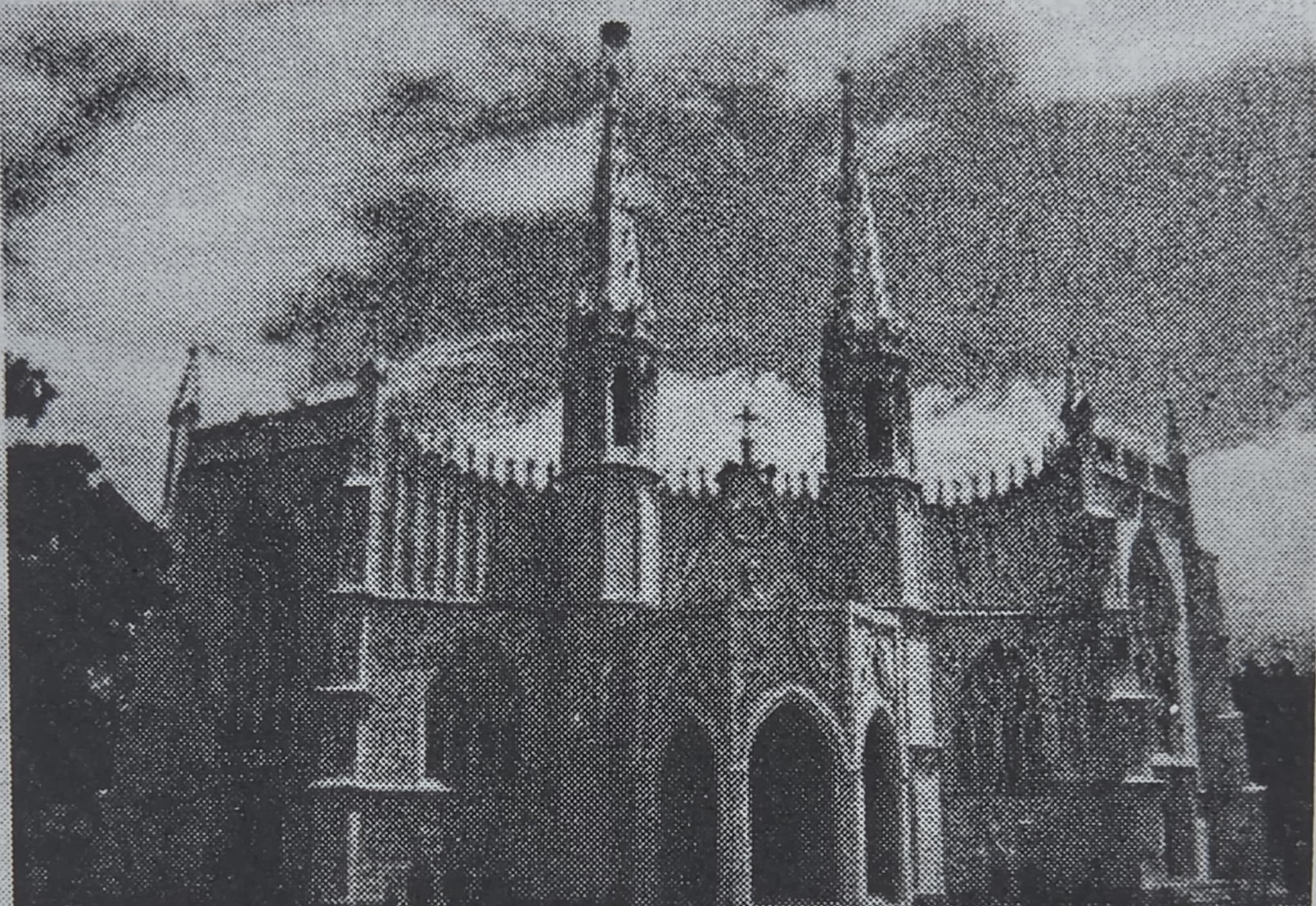
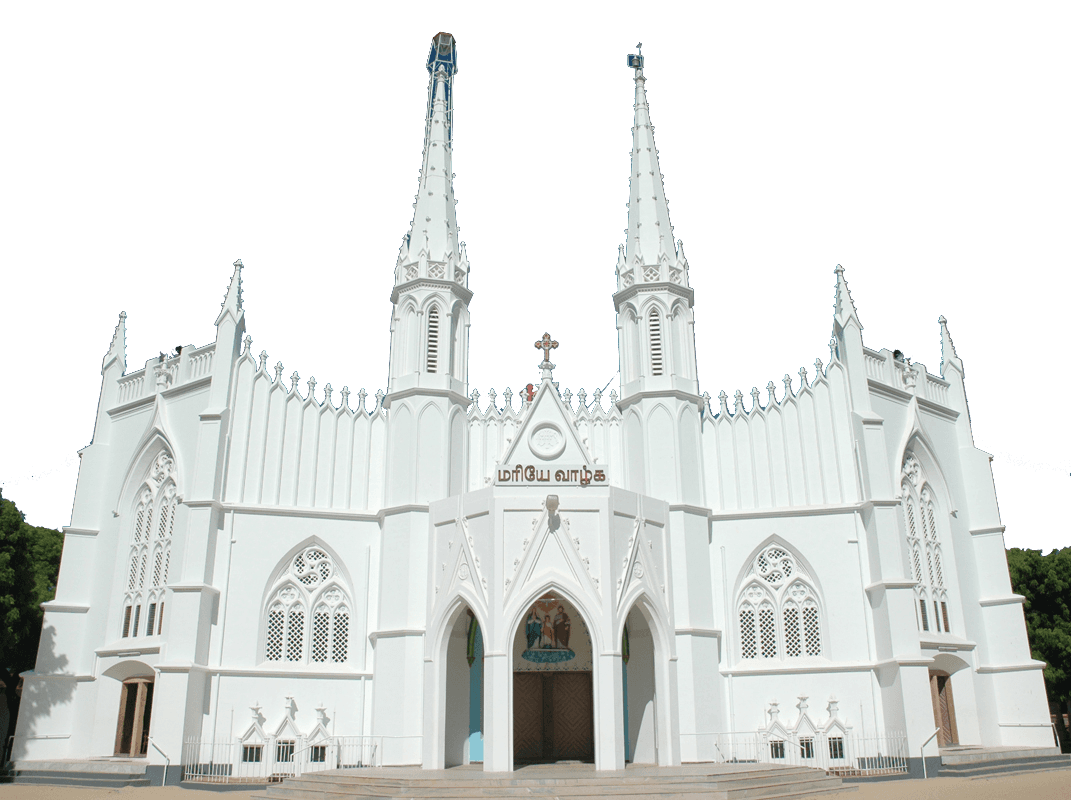
Lime and palm-toddy mortar, twenty-four arches, two towers of ninety-two feet, and two naves that run side by side the whole length of the church to meet at one altar. There is not another like it.
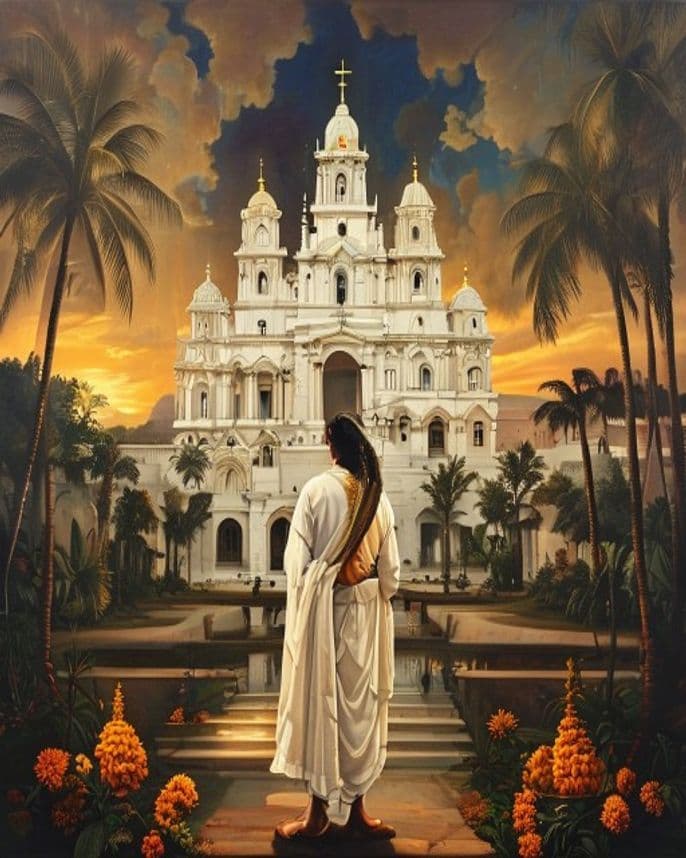
The first Bishop of Tuticorin came, looked at the village, and called it Little Rome. He meant the church, the schools, the convents and the four thousand. A century later it is still what people call it.
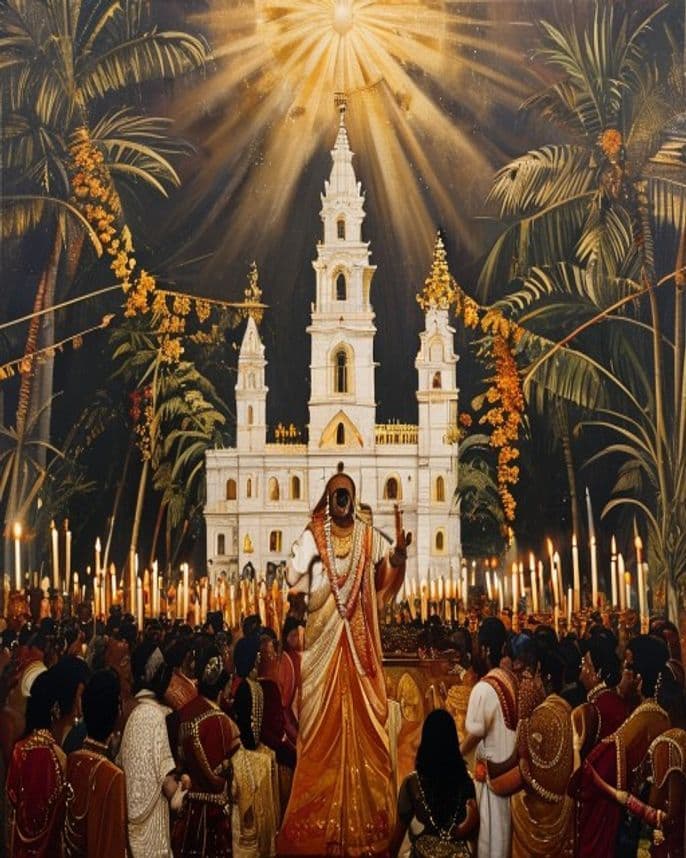
The officer baptised at this font became the first Indian layman ever declared a saint. The chains he was bound in for seven months are kept here, in the church where it started.
History
It does not end at 2022
52 more moments wait across the 8 chapters, and the last one is still open. This parish has not gone a single year without a priest since 1697, and it is still being written into.
Read the chronicle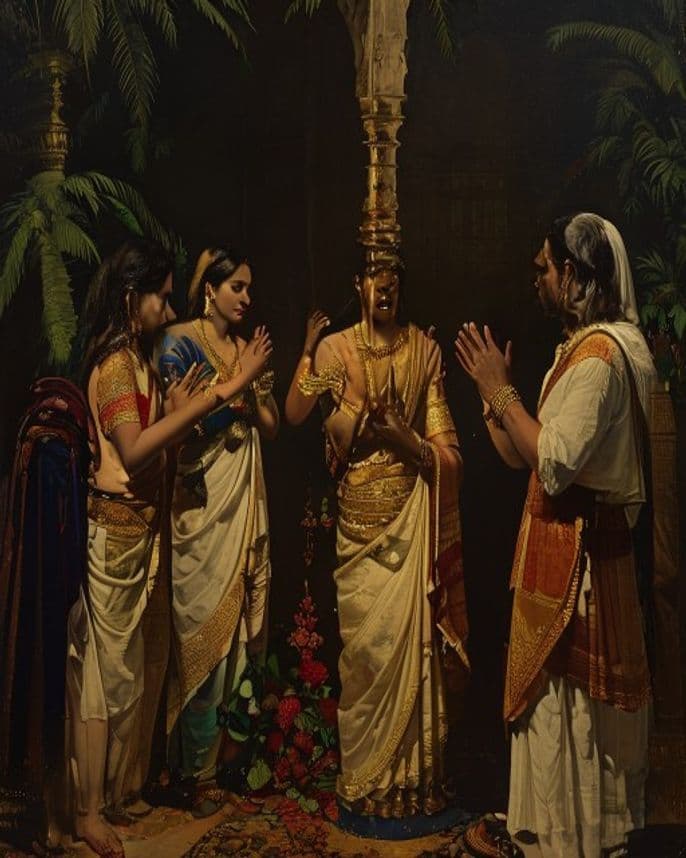
21 October 1803
It was a Friday forenoon in the Tamil month of Aippasi, in a village that had gone a generation without a Jesuit. A man from Tirunelveli, Savarimuthu Pillai, had come over to see the European family settled here, and stopped in the church first to pray. Our Lady stood above the altar in a recess closed by a double door, and that morning both leaves were open. He knelt down.
What he said afterwards is that a thin cloud gathered behind her and wrapped her round; that her eyes lifted and filled, and the tears ran down her face; and that her folded hands parted and reached out until they touched the walls of the niche. Certain his own eyes were deceiving him, he went out and brought back the catechist Yagappar Pillai, and Henriette, the daughter of the house. They said they saw it too. A catechist climbed up to the altar and wiped her face, and the tears came again, and would not stop.
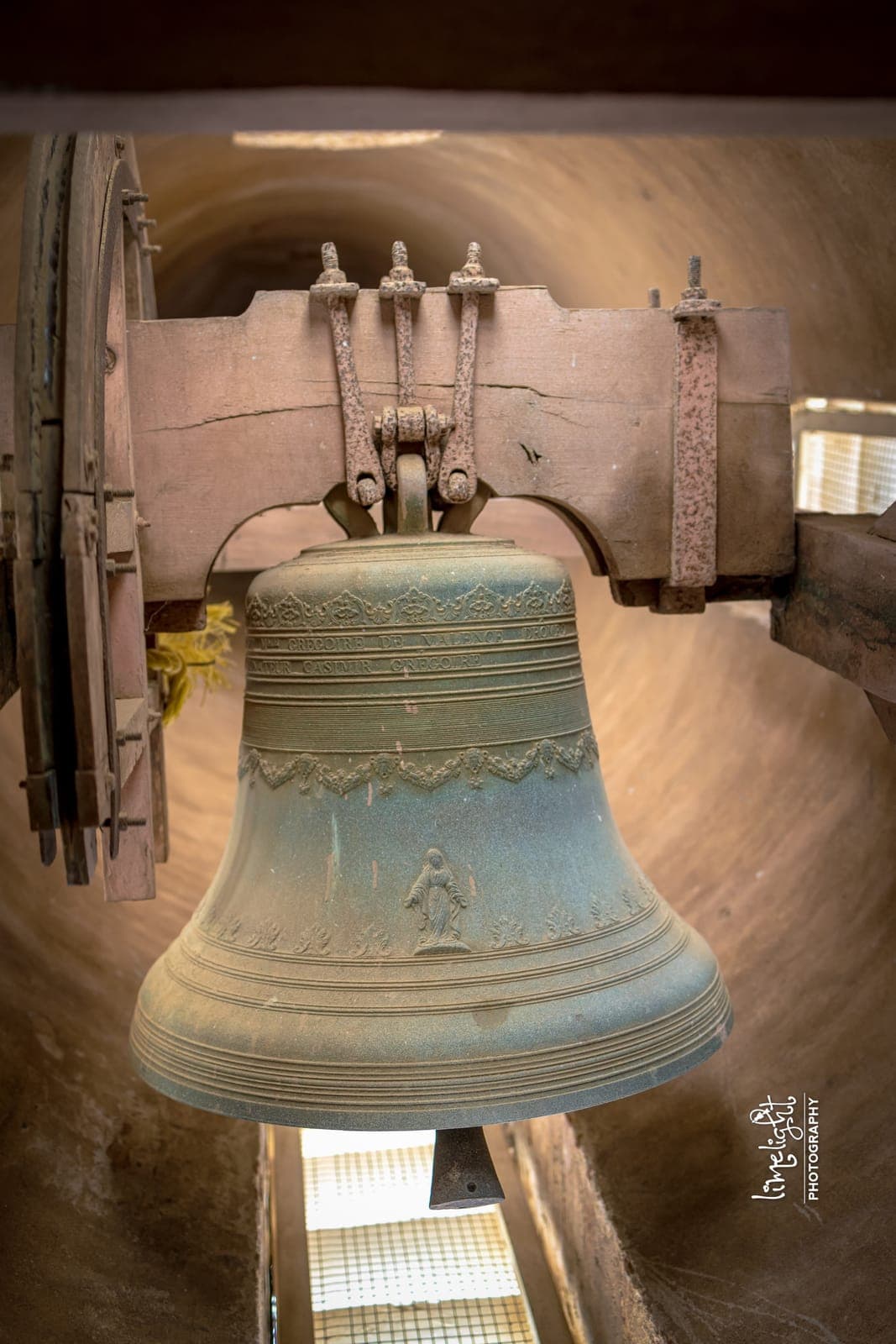
Then they rang the bell. It was not an hour at which the bell was ever rung, and the whole village put down its work and came in from the fields to find out why. They filled the church, lit the candles, knelt, and sang what a frightened people sings: Parce Domine, parce populo tuo, spare, O Lord, spare your people. And while they were praying, the face above the altar became an ordinary carved face again. Not a sign given to a bishop or a scholar, they say, but to farmers with the field still on them. And the village has come back to it every October for the two hundred and twenty-three years since.
This is a local and diocesan devotional tradition, recorded by the Jesuit historian Léon Besse. It has never been the subject of a Vatican investigation. The parish has commemorated it on 22–23 October ever since, and the date is settled at 1803, not 1805.
The Succession
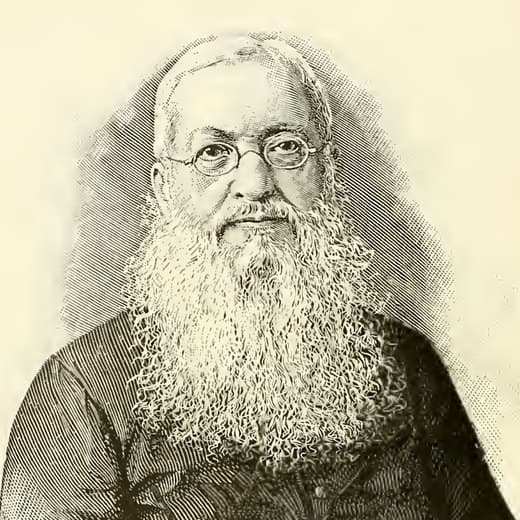
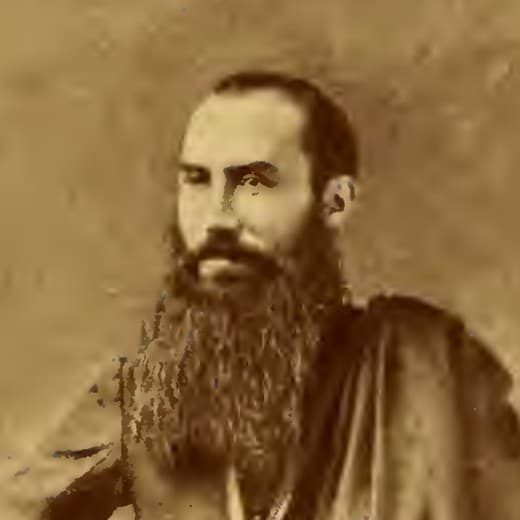
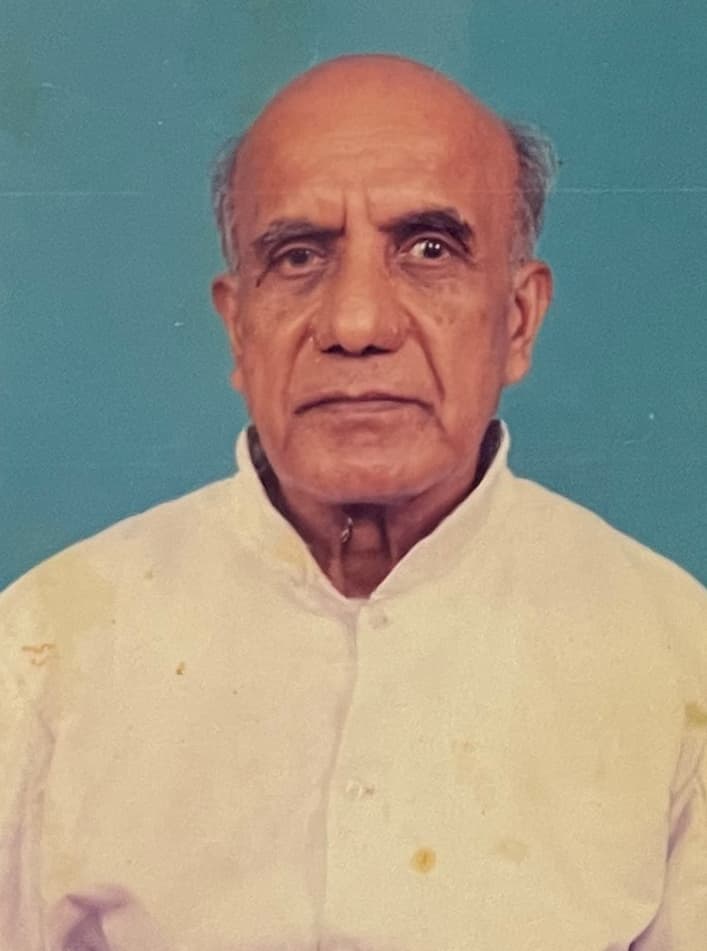
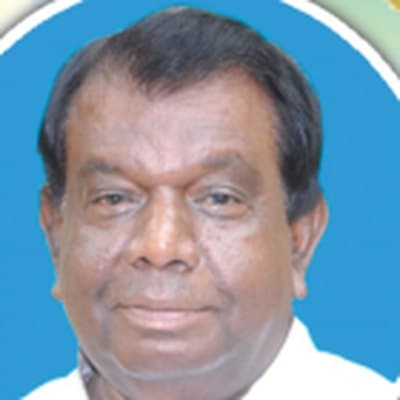
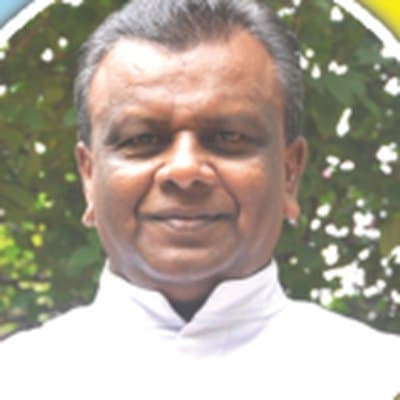
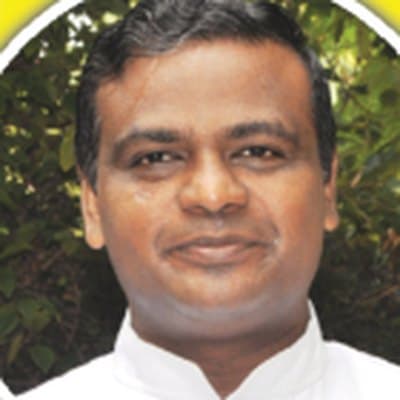
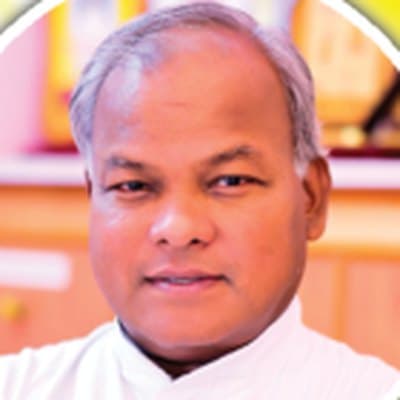
Sixty-nine priests have stood at this stone: Jesuits sent out from Rome and from France, and then the sons of this village itself. Fever took some of them young. Others were recalled, or buried here, or watched their Society suppressed under them and lived long enough to see it rise again. Not one of the three hundred and twenty-nine years since has passed without a man at this altar to say the five words over bread.
This is what the Church means by succession: not a monument, but a handing-on. Each of them received what he had not earned, spent a life giving it away, and laid it down for the next man to take up. Their names stand in the parish register in the order they came, and the register is still open.

69
pastorates
1697
since
329
years unbroken
The Saints of Vadavai
From the missionary who founded our chapel to the layman saint baptised at our font, this soil has been blessed by holy lives. Their feasts still draw our community in song and procession.
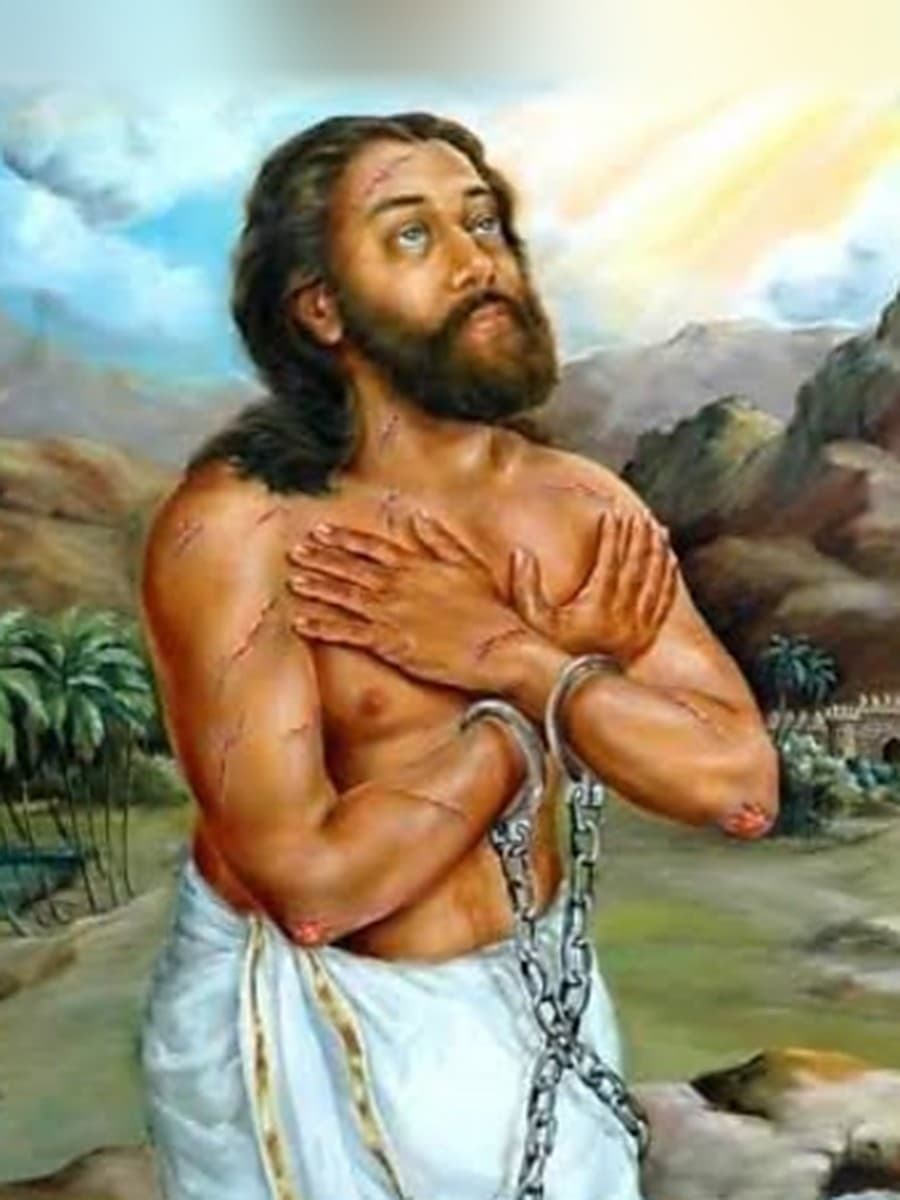
First Indian Layman Saint
Feast: January 14
Baptised at this very church in 1745 and martyred for his faith in 1752, he was canonised in 2022, the first Indian-born Catholic layman raised to the altars.
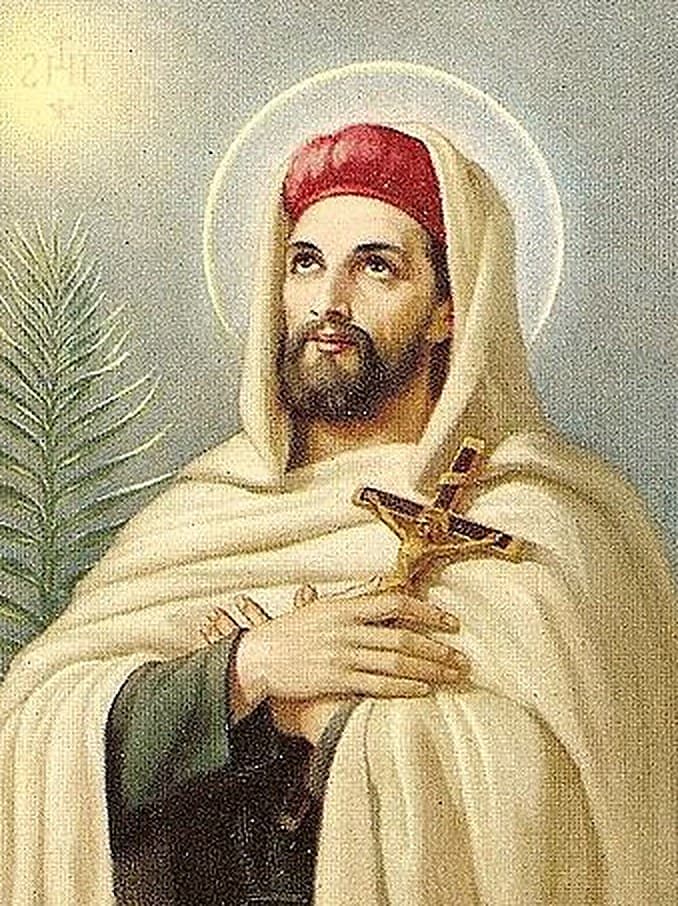
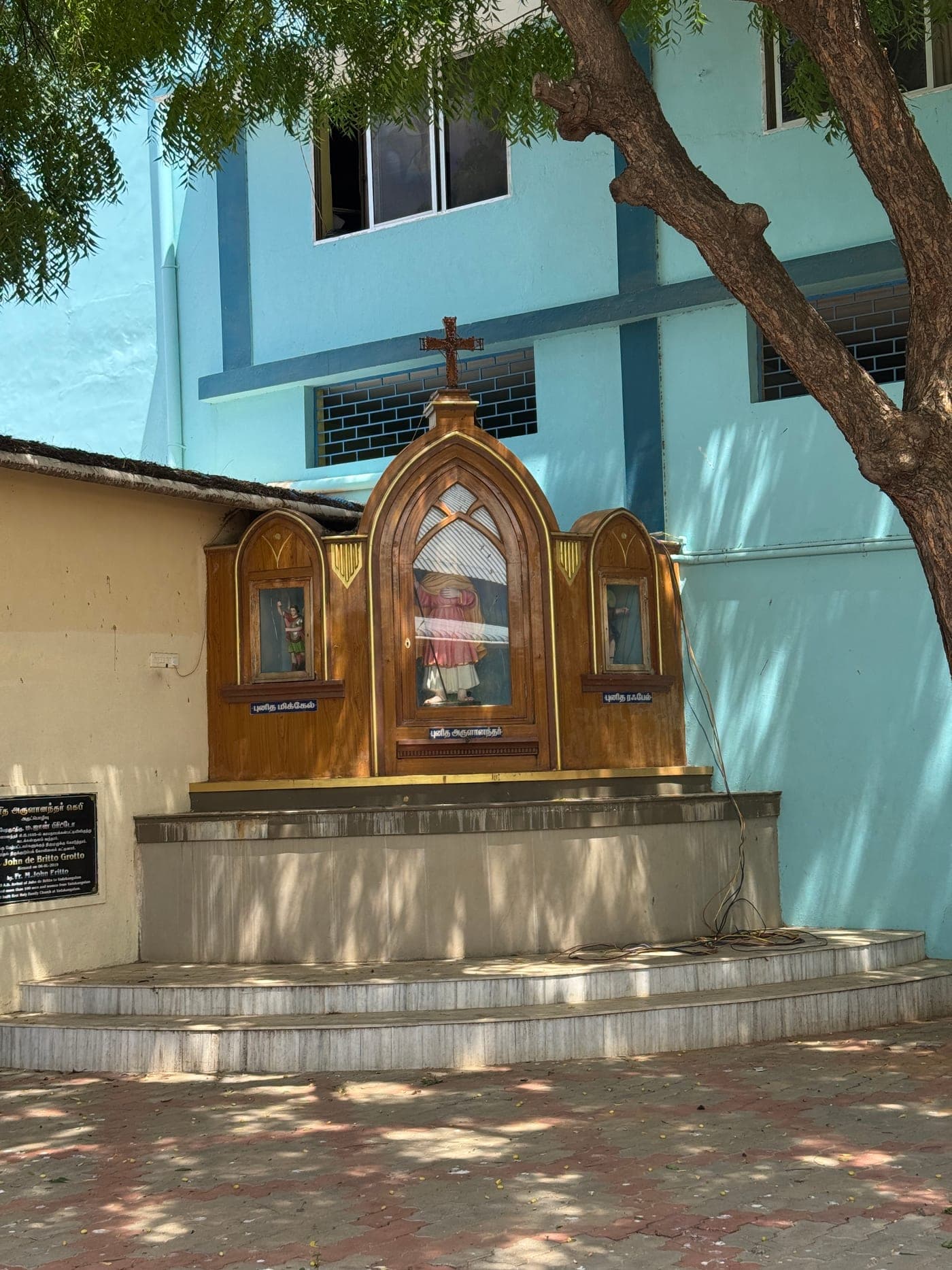
Arulanandar, Our Founder
Feast: February 4
Known in Tamil as Arulanandar, the Jesuit who raised our first thatched chapel here in 1685 and dedicated it to the Holy Family, before his martyrdom in 1693.
A Word of Peace
Cometome,allyouwhoarewearyandburdened,andIwillgiveyourest.
Matthew 11:28
The Parish Rhythm
From the Annual Feast of Our Lady to Christmas Vigil, our community gathers throughout the year in joy, song, and shared faith.
The year
 The Annual Feast
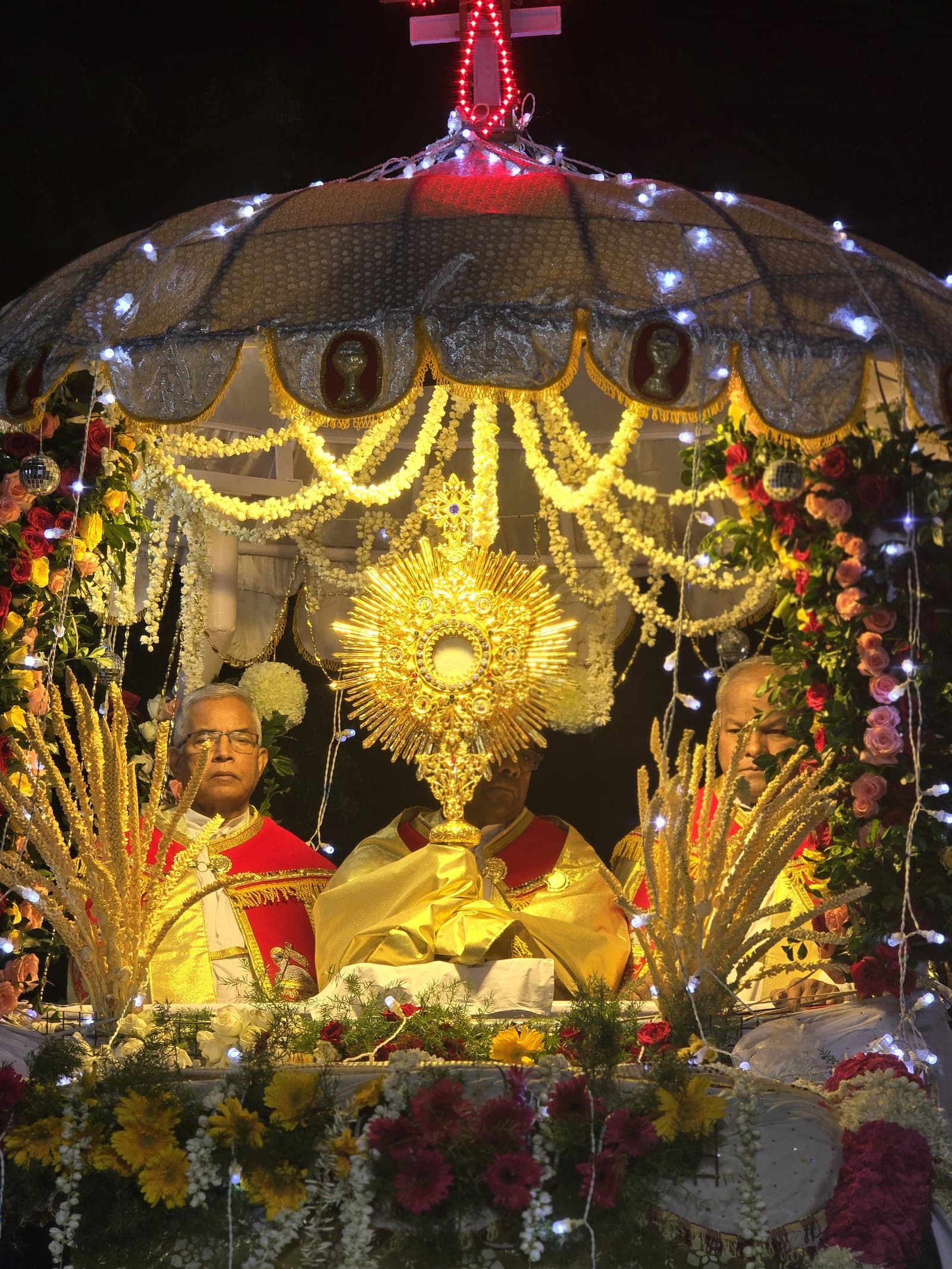
August 6 – 15
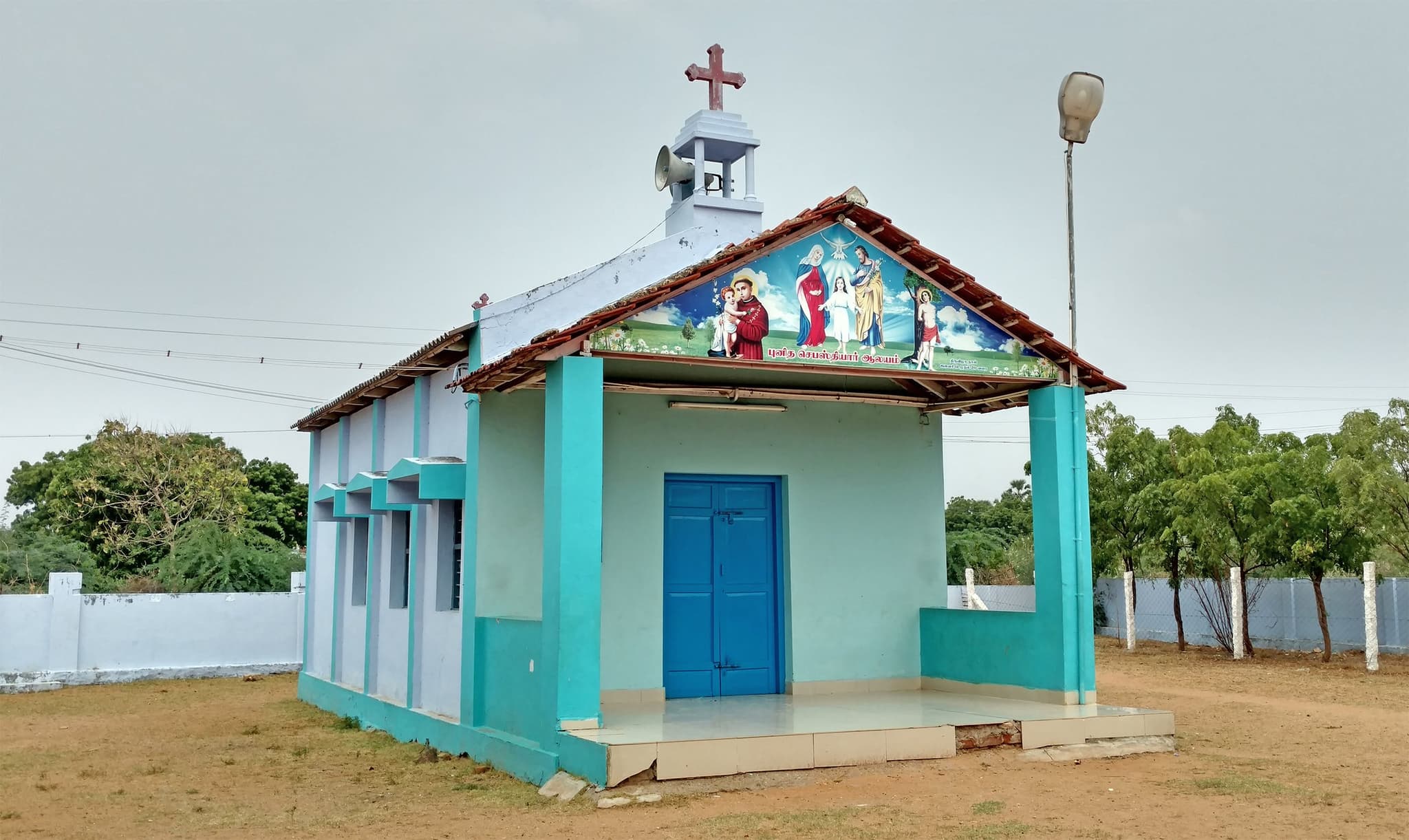
January 11 – 20
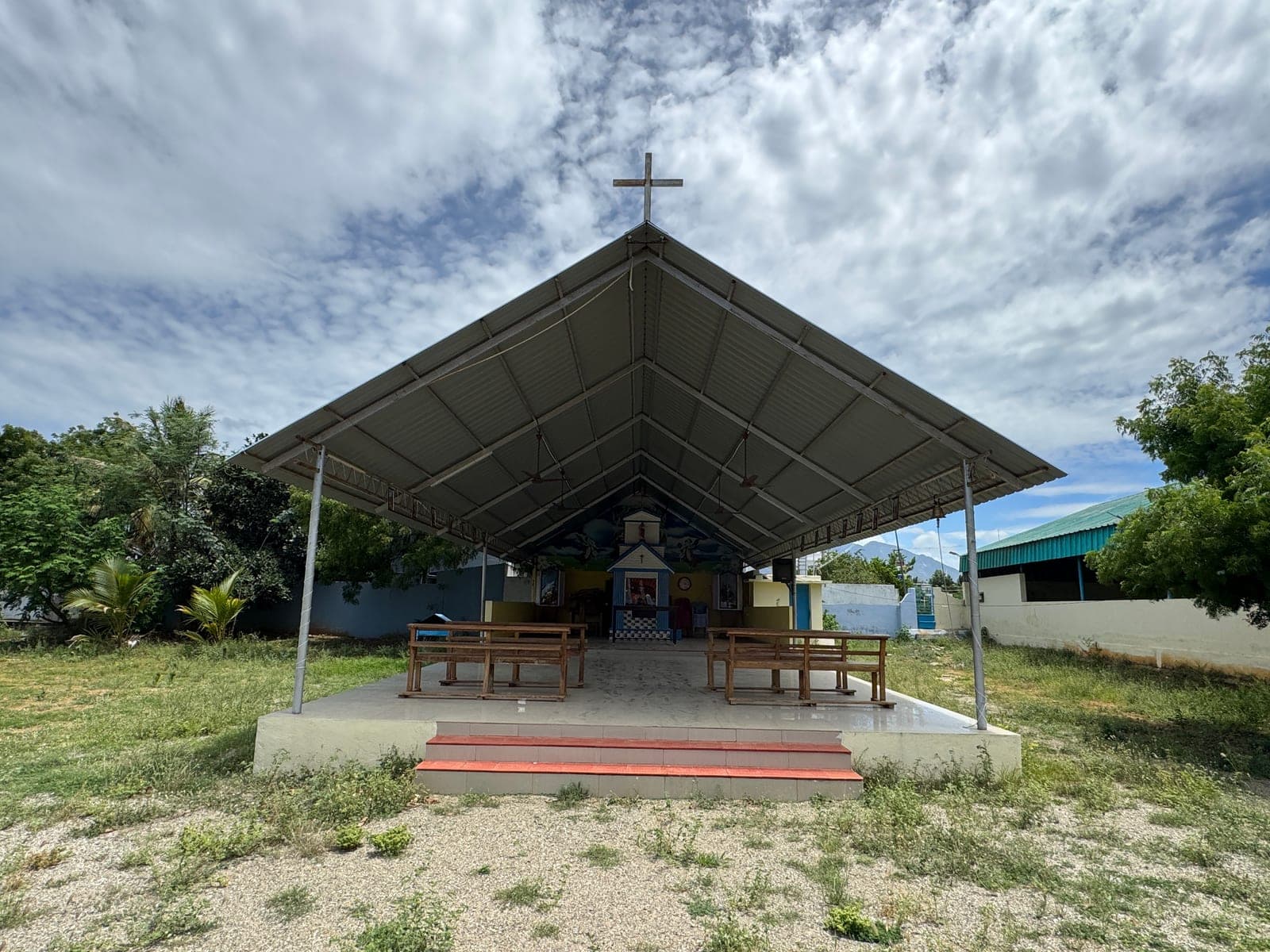
January 31 – February 2
February 3 – 4
February 5 – 11
The week
Monday – Saturday
Every Sunday
Daily
Adoration ChapelOpen daily, 9:00 AM – 8:00 PM
Visit Us
Step inside whenever you wish. Our doors, like our hearts, remain open.